The camera my mom sent me
Some things are worth more than what they cost. The Canon AE-1 sitting on my desk right now is one of them.
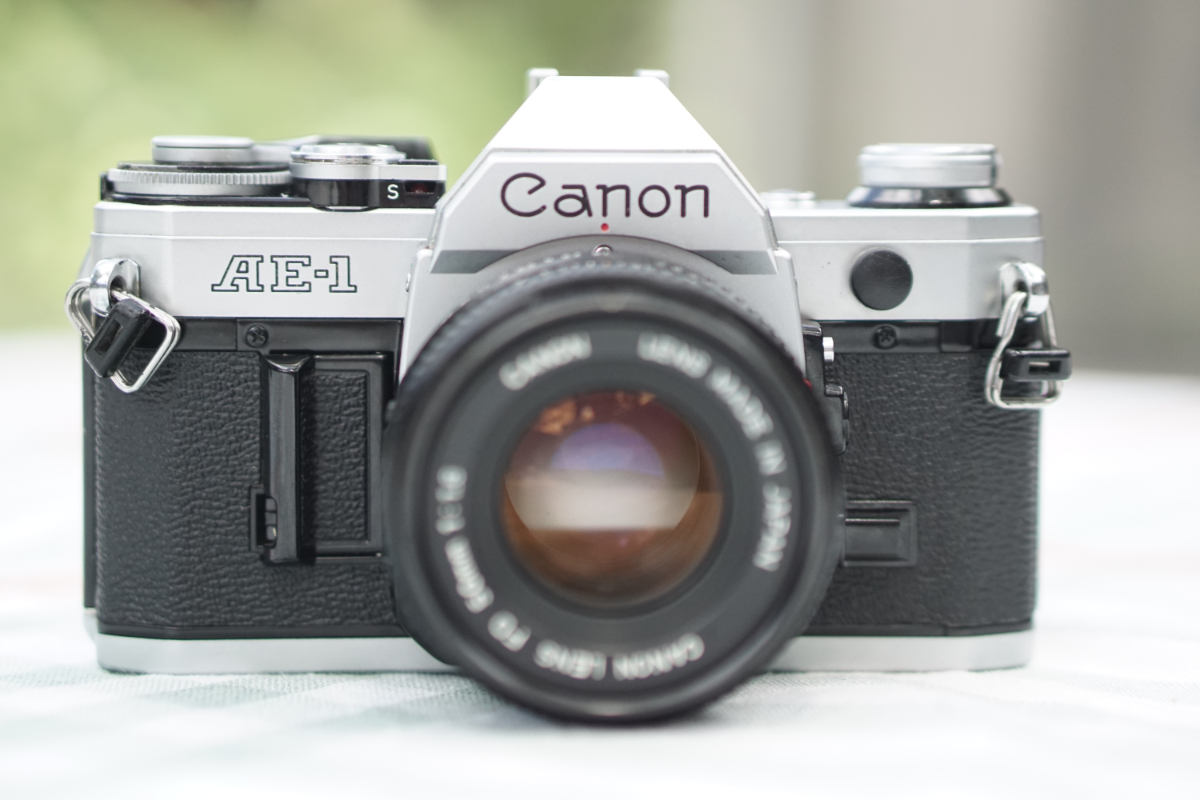
My mom called a while back to ask if there was something I wanted. Not needed… wanted. She’s at an age where she’s thinking about things like that. About how her kids will remember her. I knew what she meant. I have objects that remind me of friends that I don’t see as often as I’d like and some that are no longer here, so I told her to keep an eye out for a Canon AE-1.
It didn’t take her long to find one and send it to me.
The first camera I ever really loved was a Ricoh SLR with a 50mm lens. My mom bought it for me in high school. We weren’t well off, and she picked up extra shifts to pay for it. I knew that she wanted to help me in my creative pursuits and I noted the sacrifice.
I took a few rolls through that Ricoh before someone took it from me. I was at an airport traveling alone, waiting for a gate to open, when a woman struck up a conversation. Friendly, normal. When the agent appeared at the counter, she offered to watch my things while I went to get my seat assignment. I was gone maybe three minutes. When I came back, she was gone. So was the camera.
I’ve had problems with trusting strangers ever since.
Despite that setback, I managed to borrow a camera and continued learning about photography. In my high school we had a darkroom, that used to be pretty common. Even our tiny school decided providing space and chemicals for students was worth the investment. I learned to develop black and white film and how to make prints with our enlarger there. There’s something about watching an image appear in a tray of developer that feels magical. Watching something appear out of nothing is mesmerizing and completely unforgiving, and I loved it.
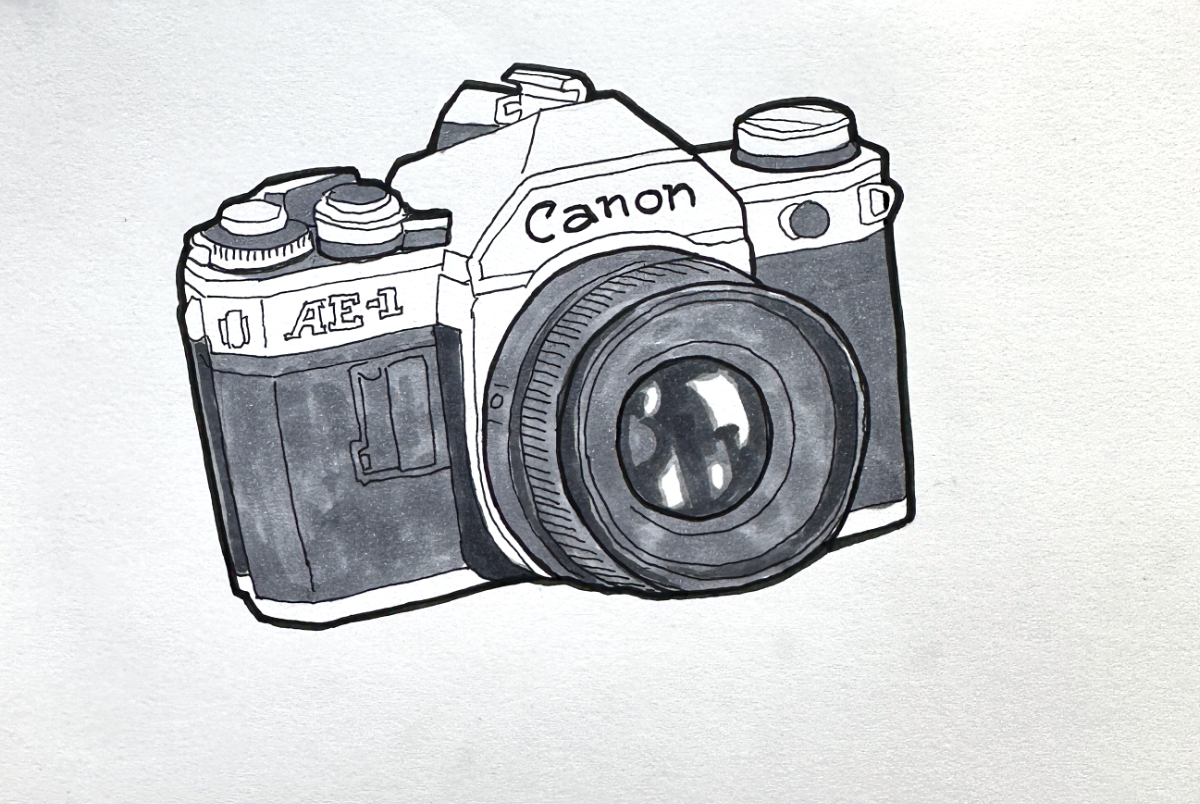
Later in life, I’d scraped enough cash together to get a Canon AE-1. I got it cheap because it had a broken battery door, that’s a pretty common issue with these. The door has an unconventional mechanism for opening it and a lot of people use brute force and break the latch. So I had a piece of black duct tape holding my door shut. It worked just fine. I took it to France and Spain on my first international trip. It got even more beat up. I came back with a bunch of photos and a camera that looked like it had been through something, because it had.
Years later, when digital cameras got good enough to matter, I made a trade I’ve regretted ever since. I gave up a collection that included the AE-1, a medium format Hasselblad clone, a couple of Polaroid SX-70s, and a Canonet rangefinder with an f/1.8 lens plus glass for all of the cameras that were interchangeable. All for one mid-level digital camera. The trade wasn’t balanced and I knew it when I made it, but the temptation of convenience was too strong.
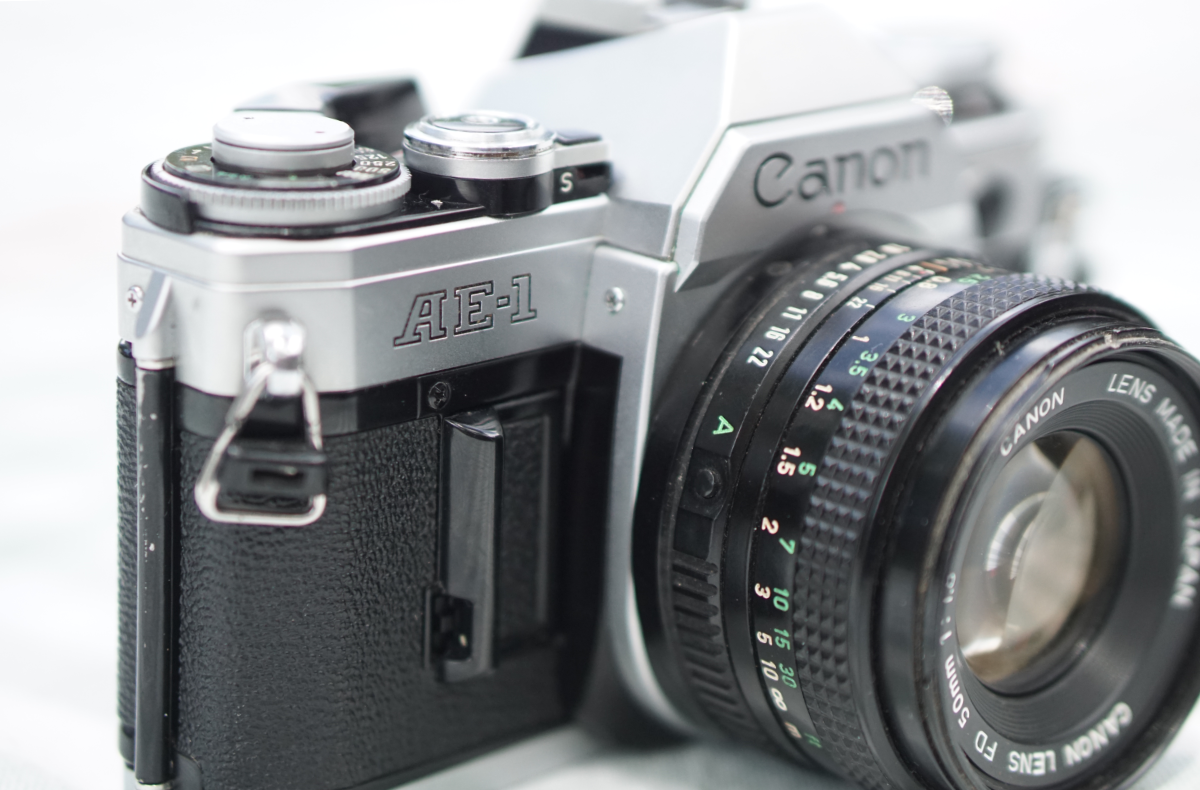
The Canon AE-1 came out in 1976 and changed how cameras were made and sold. It was the first camera to use a central processing unit. Canon built a microcomputer into it at a time when that was pretty radical. The idea was to take the intimidating variables out of exposure and hand the photographer a reliable starting point. Shutter-priority auto exposure: you set the shutter speed, the camera sets the aperture. It allowed users to think more creatively.
It worked. Canon sold over a million AE-1s in the first two years. They marketed it directly to young people: “So advanced, it’s simple” and it helped an entire generation learn to love photography.
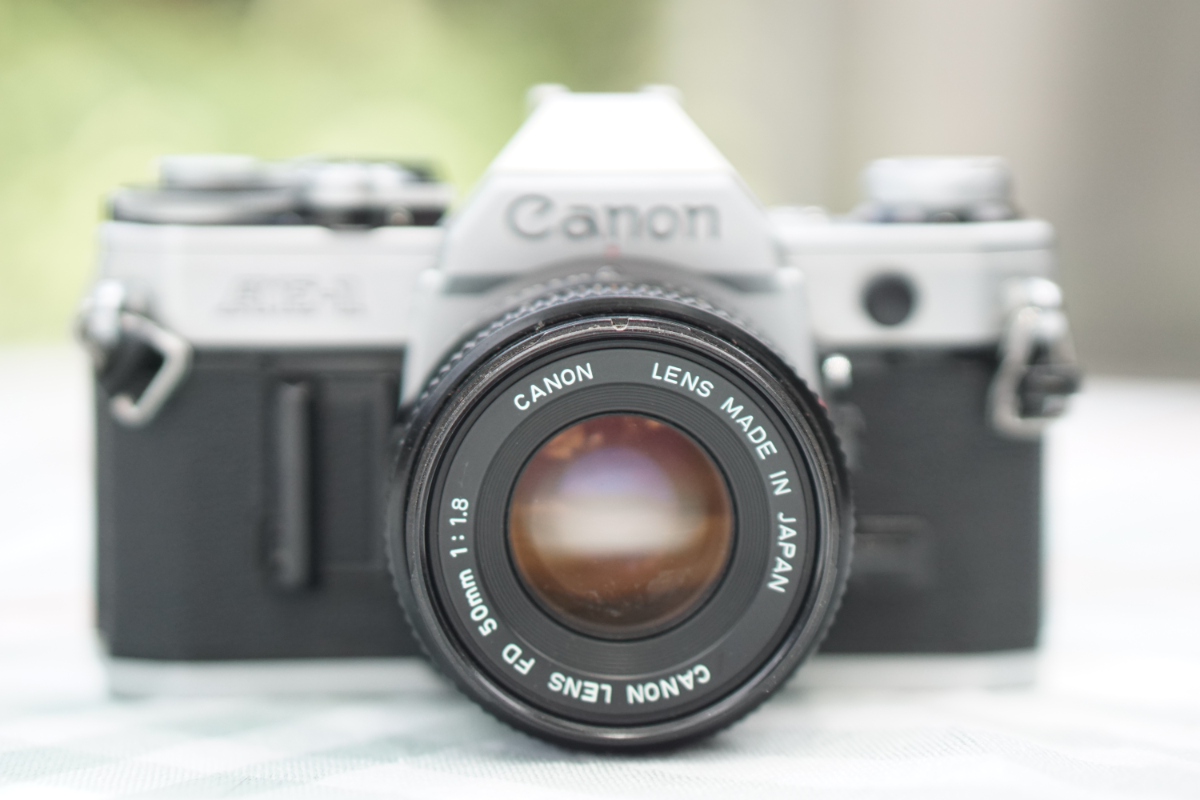
The body is compact and well-balanced, the FD lens mount is excellent, and the glass available for it is really good. It’s not an F-1, Canon’s professional body was a different animal. The AE-1 was built to be dependable and get out of your way. Fifty years later, that’s still what it is.
The shutter has a characteristic sound that anyone who shot with one in the 80s will recognize immediately. There’s a small mechanical squeal on some bodies called the “AE-1 squeal” that comes from the mirror damper drying out. Easy fix with a drop of lubricant. Mine doesn’t have it, which either means the previous owner sorted it out or the camera lived an easy life before it got to me.
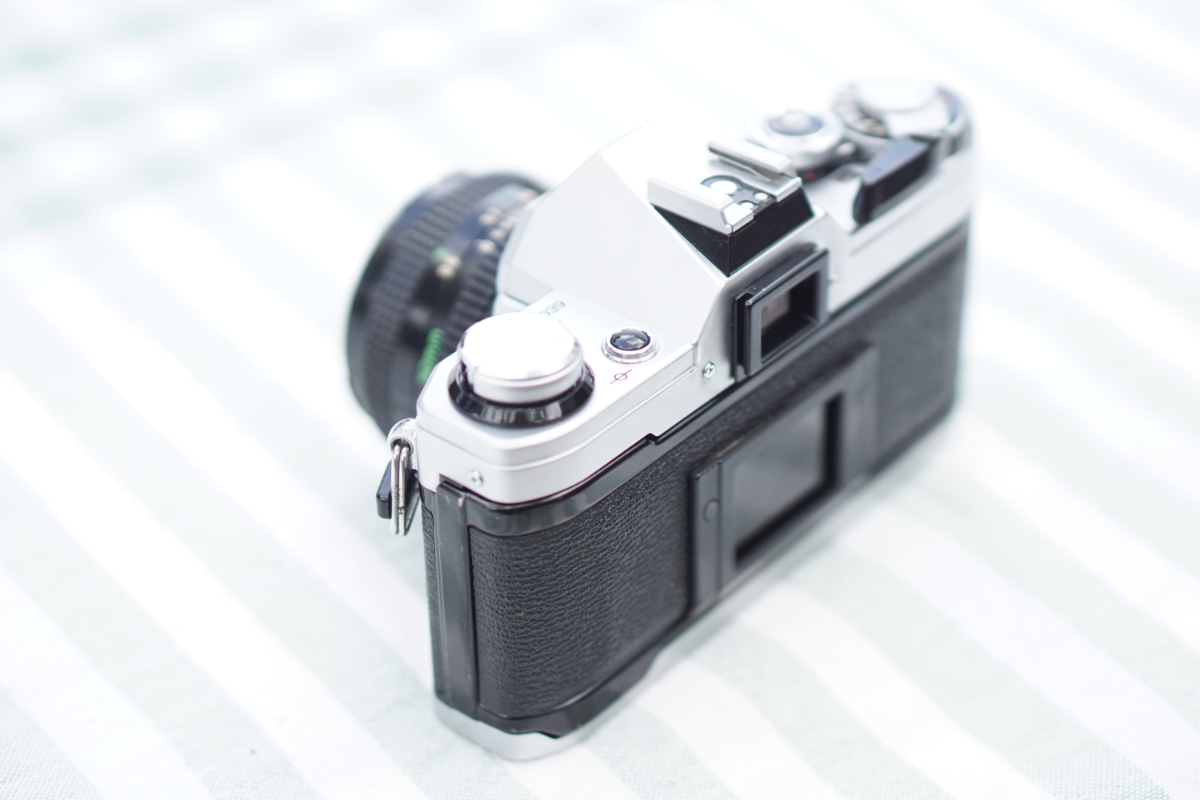
I have a fine art background. I paint and draw. I fix things with my hands and I care about how things are made. The AE-1 fits that sensibility, a machine that was designed with real intention, built to last.
I’m going to shoot film with it. I’ll post what comes out of it here.
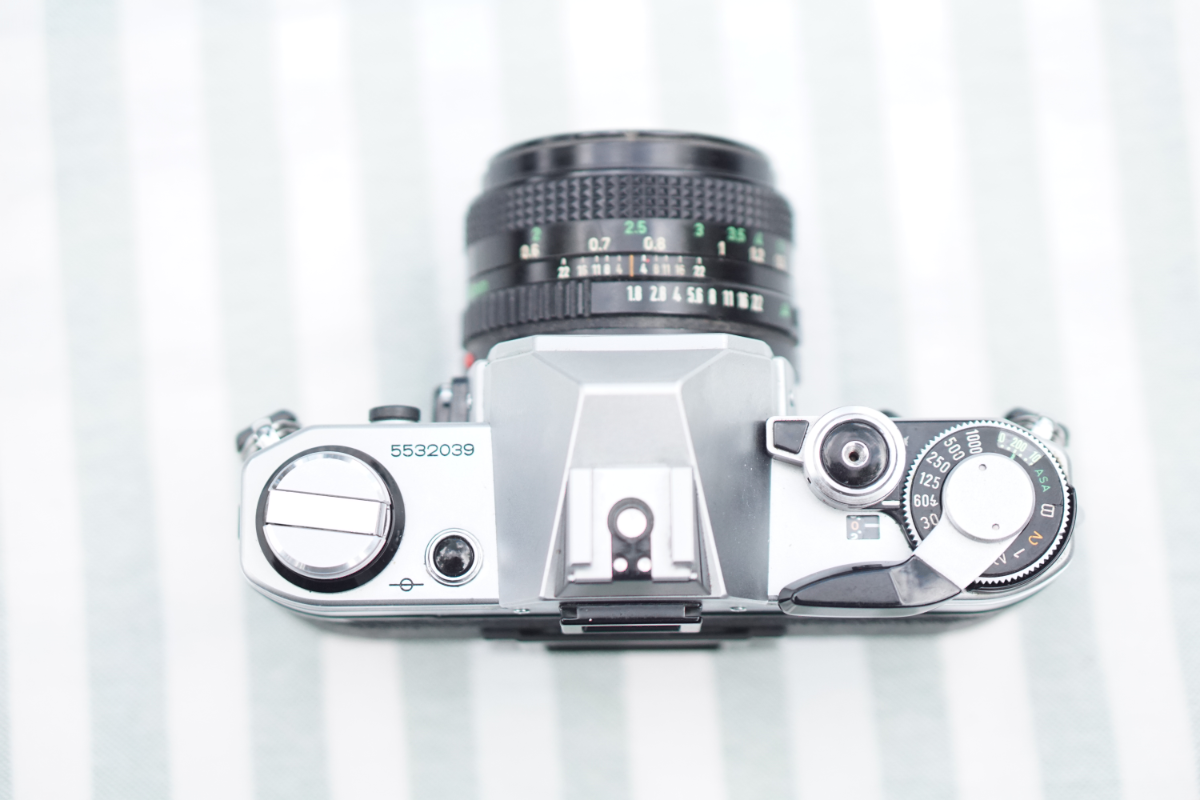
My mom wanted to give me a gift that I could say was from her. I’d been so sad about losing that camera so long ago, this felt like the right answer. And now that’s what the camera is, more than anything else, evidence that my mom wants me to be happy. I’ll think about her every time I click the shutter.
Comments